.png&w=384&q=75)
.png&w=384&q=75)
Key Verse
Exodus 17:7 "And he called the name of the place Massah, and Meribah, because of the chiding of the children of Israel, and because they tempted the LORD, saying, Is the LORD among us, or not?"
Biblical Context
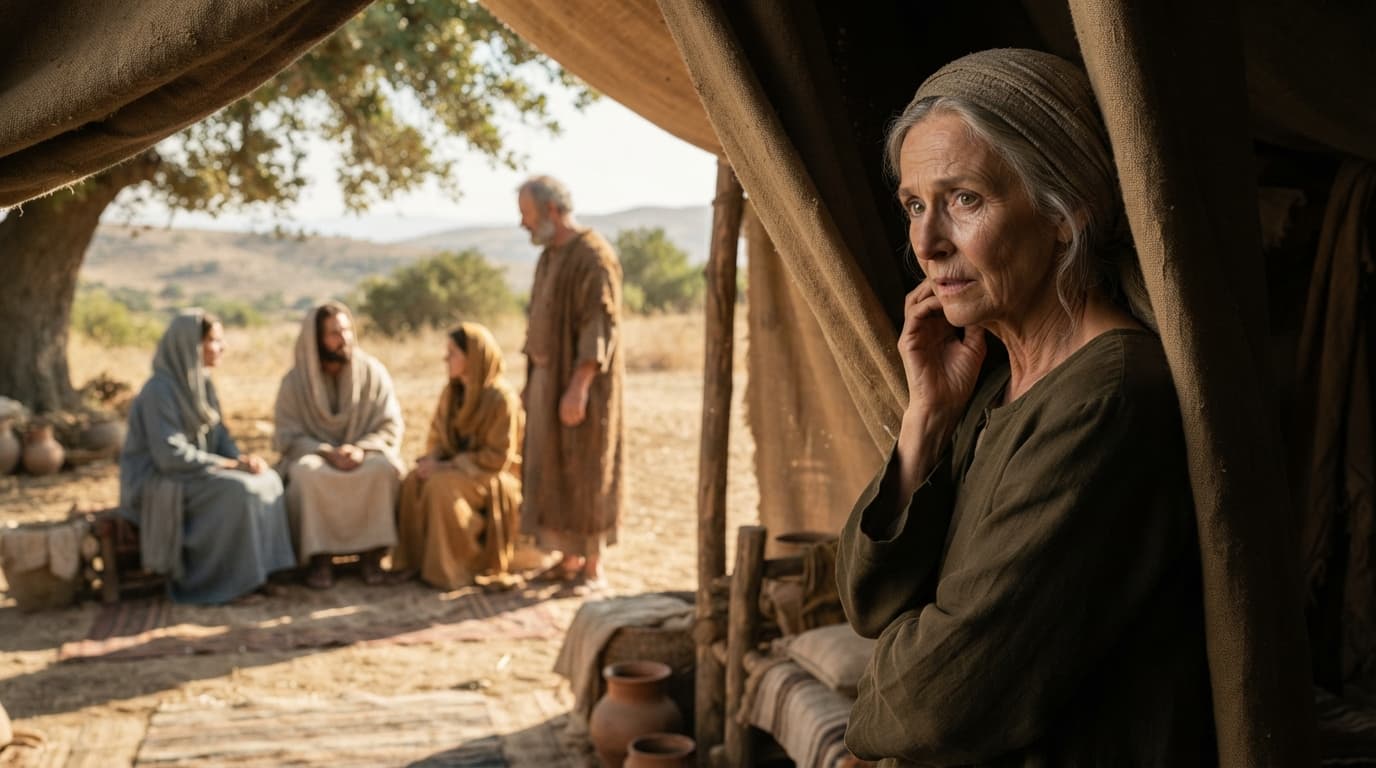
The story of the Israelites' journey through the wilderness is a rich tapestry of faith, doubt, and divine provision. In Exodus 17:7, we encounter the Israelites at Rephidim, a location that becomes a significant testing ground for their faith. Having been miraculously delivered from the bondage of Egypt and sustained through the desert, the Israelites again find themselves in a predicament that challenges their trust in God. The absence of water at Rephidim leads to a crisis of faith among the people.
Faced with the dire need for water, the Israelites begin to quarrel with Moses, expressing their frustration and fear. Their questioning, "Is the LORD among us, or not?" reveals their fallen nature and tendency to doubt God's constant presence and care for them. This was not just a complaint about the lack of water; it was a deeper spiritual challenge that questioned God's presence in their midst. This act of questioning was a direct act of tempting God, testing His patience and faithfulness.
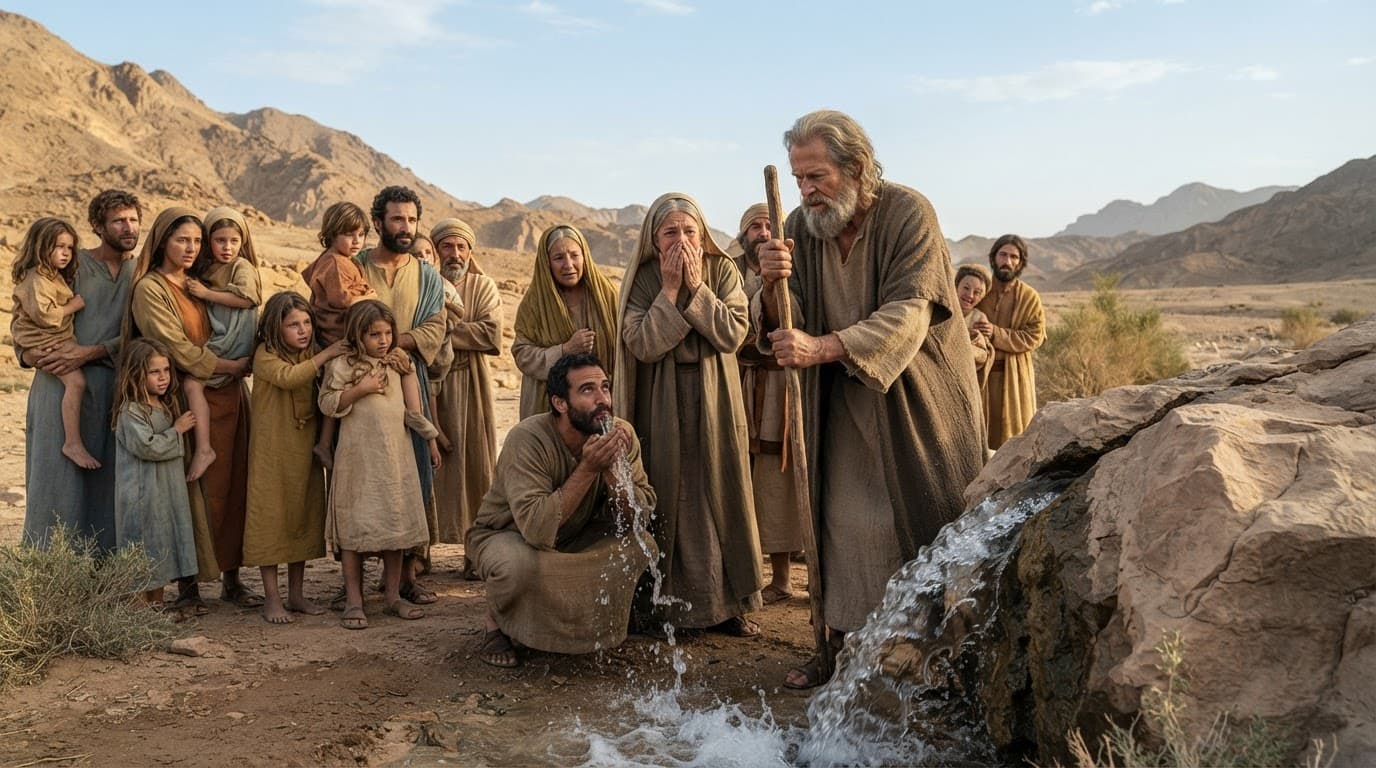
God's response to their doubt is one of grace and provision. He instructs Moses to strike a rock at Horeb, from which water miraculously flows to satisfy the people's thirst. This act is not only a physical provision but also a powerful spiritual reassurance of God's unwavering presence and care. Despite their lack of faith and provocation, God remains faithful, demonstrating His unwavering commitment to His people.
This narrative is echoed in other parts of Scripture, such as in Numbers 20:2-13, where a similar situation occurs, and in Deuteronomy 6:16, where God warns against testing Him as the Israelites did at Massah. Psalm 95:8-9 and 1 Corinthians 10:4 also reflect on these events, emphasizing the importance of trusting in God's provision and presence.
Daily Application
The question posed by the Israelites, "Is the LORD among us, or not?" is one that resonates deeply with many of us today. In times of uncertainty, hardship, or when faced with unmet needs, it's easy to question God's presence and provision. However, Exodus 17:7 challenges us to reflect on our faith and trust in God, even when circumstances seem dire.
1. Acknowledge Moments of Doubt
It's important to recognize that doubt is a natural part of the human experience. The Israelites, despite witnessing God's mighty works, still struggled with doubt. Acknowledging our own moments of doubt is the first step towards strengthening our faith. When we face situations that make us question God's presence, we should remember that doubt does not disqualify us from His love or His plans. Instead, it can be an opportunity to deepen our relationship with Him.
Doubt can be a catalyst for growth if we allow it to drive us towards God rather than away from Him. By honestly confronting our doubts and seeking understanding, we can build a more resilient and mature faith. Reflect on past experiences where God has been faithful, and let those memories bolster your confidence in His ongoing presence.
2. Seek God's Reassurance Through Prayer
Prayer is a powerful tool for seeking God's presence and reassurance. In times of doubt, turning to God in prayer allows us to express our fears and uncertainties honestly. Moses, amidst the people's complaints, turned to God for guidance and help. Similarly, we can bring our concerns to God, trusting that He hears us and cares for us. Through prayer, we open our hearts to His comfort and guidance, allowing His peace to fill our lives.
Incorporate regular prayer into your daily routine, not just as a response to crises but as a continual conversation with God. Share your struggles and listen for His guidance. The act of praying itself is a declaration of faith, an acknowledgment that we believe in a God who listens and responds.
3. Trust in His Provision and Presence
The story of Massah and Meribah reminds us that God's provision often comes in unexpected ways. Just as He provided water from a rock, He can meet our needs in ways we might not anticipate. Trusting in God's provision requires us to let go of our limited understanding and embrace His sovereignty. It means believing that He is with us, even when we cannot see the evidence immediately. By focusing on His past faithfulness, we can cultivate a trust that sustains us through present challenges.
The Apostle Paul, reflecting on the Israelites' experiences, reminds us in 1 Corinthians 10:4 that the rock that provided water symbolically represents Christ, the ultimate source of spiritual sustenance. Our faith in Christ assures us of God's eternal presence and provision, transcending our immediate circumstances.
To cultivate trust, consider keeping a journal of God's provisions and answered prayers. This tangible record can serve as a reminder of His faithfulness during times of doubt. Engage with Scripture regularly to reinforce your understanding of God's character and promises.
A Short Prayer
Heavenly Father, we come before You acknowledging our moments of doubt and seeking Your presence. Just as You provided for the Israelites in the wilderness, we ask for Your provision in our lives today. Help us to trust in Your faithfulness and to find reassurance in Your promises. May we turn to You in prayer and rely on Your strength in times of uncertainty. Thank You for being our constant guide and provider. In Jesus' name, we pray. Amen.